



Paint & Floor Tiles
Connecting Viet Nam’s Interior Materials & Finishing Industry To The Global Market
Viet Nam is currently ranked among the Top 5 largest ceramic and tile manufacturing countries in the world, supported by a long-standing heritage of traditional craft villages and a rapidly growing network of modern high-tech factories. Today, Viet Nam has become one of Asia’s leading hubs for interior materials and finishing products
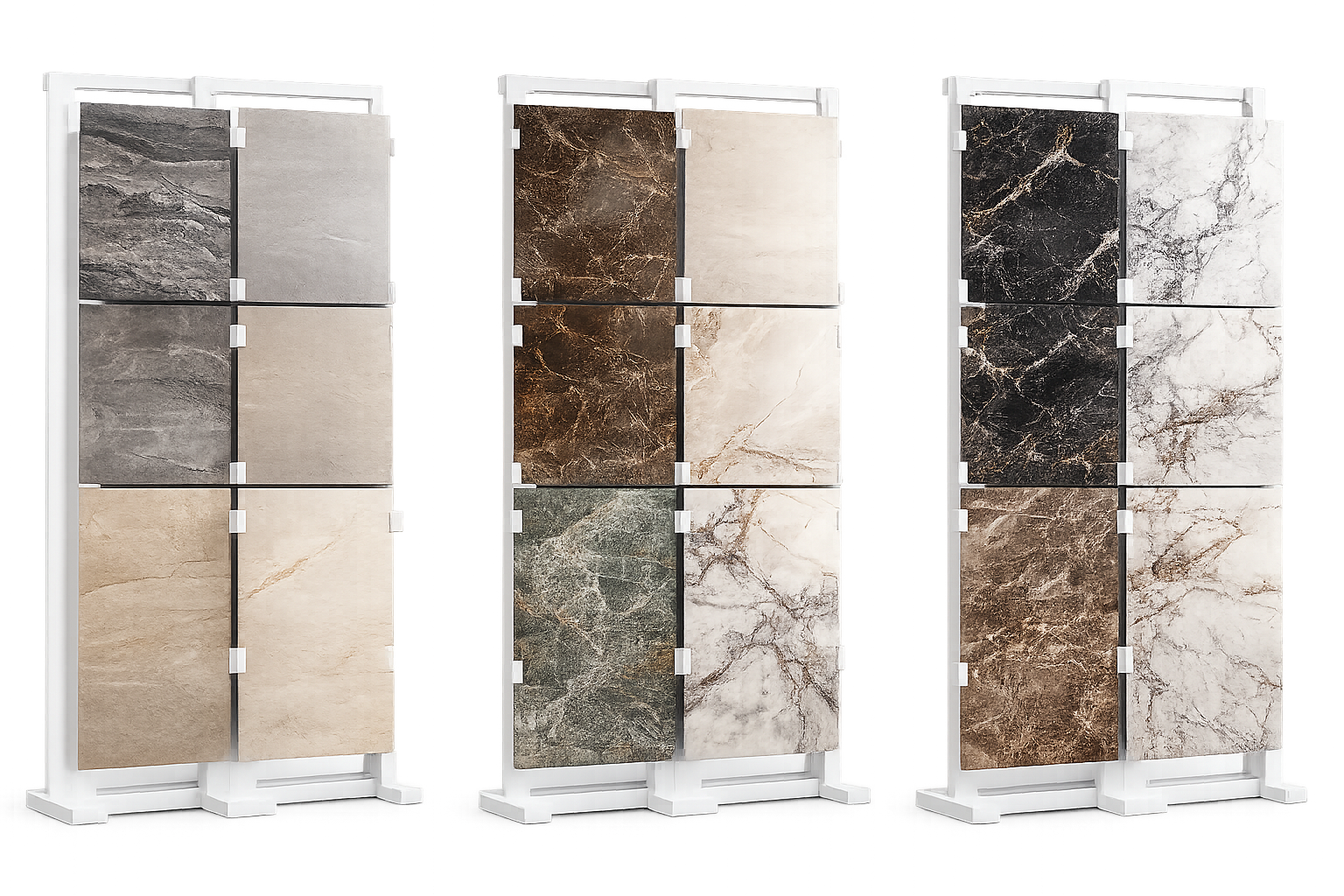
Amana is currently collaborating with many of Viet Nam’s leading manufacturers and exporters of ceramic tiles, interior materials, and finishing products, providing flexible sourcing solutions for international projects across a wide range of ceramic, porcelain, engineered stone, and premium surface materials
Through our extensive supplier network across Viet Nam, Amana supports clients in sourcing, quality management, supply chain coordination, and international logistics. We understand that every project requires a balance between design, budget efficiency, and technical standards, which is why our team works directly with factories to ensure consistency and reliability throughout the entire process
From residential and hospitality developments to commercial interior projects, Amana is committed to delivering interior material solutions that meet global demands while connecting Viet Nam’s manufacturing strengths to international markets
AMANA Architectural Material
Viet Nam’s Tile Industry And Its Global Expansion Journey
 Vietnam is not only a country with a long-standing ceramic and tile-making tradition, but today it has also become a global manufacturing powerhouse in the tile industry. The sector has evolved from traditional handmade brick kilns into a modern industrial ecosystem with massive production capacity.
Below are the key strengths and development highlights of Vietnam’s ceramic and tile industry:
1. Vietnam’s Position On The Global Map
Top Global Producer
Viet Nam is currently ranked among the Top 5 largest ceramic and tile manufacturing countries in the world, alongside China, India, Italy, and Spain.
Massive Production Capacity
The total designed production capacity of Vietnamese factories exceeds 800 million square meters per year, fully meeting domestic demand while exporting to more than 50 countries worldwide.
2. Strong Natural Resource Advantages
Viet Nam possesses exceptional geological advantages that support the long-term growth of the tile industry.
Clay & Kaolin Resources
Large reserves of clay and kaolin are distributed across the country — from Quang Ninh and Phu Tho in the North to Binh Duong in the South — providing abundant, high-quality local raw materials at competitive costs.
Access To Natural Gas
Industrial zones in Southern Viet Nam, particularly in Ba Ria – Vung Tau and Dong Nai, benefit from direct access to natural gas infrastructure, helping manufacturers optimize energy costs for large-scale kiln operations.
3. From Traditional Ceramics To High-Tech Manufacturing
Viet Nam’s ceramic and tile industry has gone through a clear transformation over the decades.
Traditional Craftsmanship Era
Vietnam was historically known for handcrafted products such as clay bricks, Bat Trang ceramics, and encaustic cement tiles (“gạch bông”) during the French colonial period. Today, Vietnamese encaustic tiles are once again gaining popularity as premium artisan exports to Europe and the United States.
Modern Industrial Era
Since the 1990s, Vietnamese manufacturers have invested heavily in advanced production lines imported from Italy and Spain, including technologies from Sacmi and System. Modern factories are now capable of producing porcelain tiles, large-format granite slabs, and high-definition 3D digital printed tiles that compete directly with imported European products.
4. Key Industry Leaders
Several major companies continue to shape and lead Viet Nam’s ceramic and tile industry:
Viglacera
Considered one of the pioneers of the industry, Viglacera is recognized for its long history and advanced technologies, particularly in autoclaved aerated concrete and antibacterial tile products.
Prime Group
One of the largest tile manufacturers in Viet Nam by production volume. Since becoming part of Thailand’s SCG Group, Prime has significantly expanded its export network and international presence.
Dong Tam Group
A well-established brand associated with Viet Nam’s historic encaustic tile tradition and premium granite tile collections with strong artistic identity.
CMC, Vitto & Tasa
Dynamic manufacturers operating large-scale factories in Northern Viet Nam, focusing on mid-range and mass-market ceramic tile segments.
5. Sustainability Challenges & Green Transformation
Similar to industries such as aluminum and electrical cables, Viet Nam’s ceramic and tile sector is also facing increasing sustainability pressures.
Non-Fired & Eco-Friendly Materials
The Vietnamese government is encouraging the adoption of non-fired building materials to protect agricultural land and reduce carbon emissions.
Green Export Standards
To access demanding markets such as the U.S. and the EU, manufacturers are increasingly transitioning toward renewable energy systems and waste heat recovery technologies in kiln operations to achieve international green certifications.
Conclusion
Although Viet Nam’s tile industry is rooted in a long-standing traditional craft culture, its greatest strength today lies in its adaptability and industrial transformation.
From traditional red clay bricks, Viet Nam has advanced toward producing large-format slabs and high-performance surface materials capable of replacing natural stone, reinforcing the country’s position within the global building materials supply chain.

Need Product Consultation?
Contact Amana Workplace for free consultation
Contact Us Now