


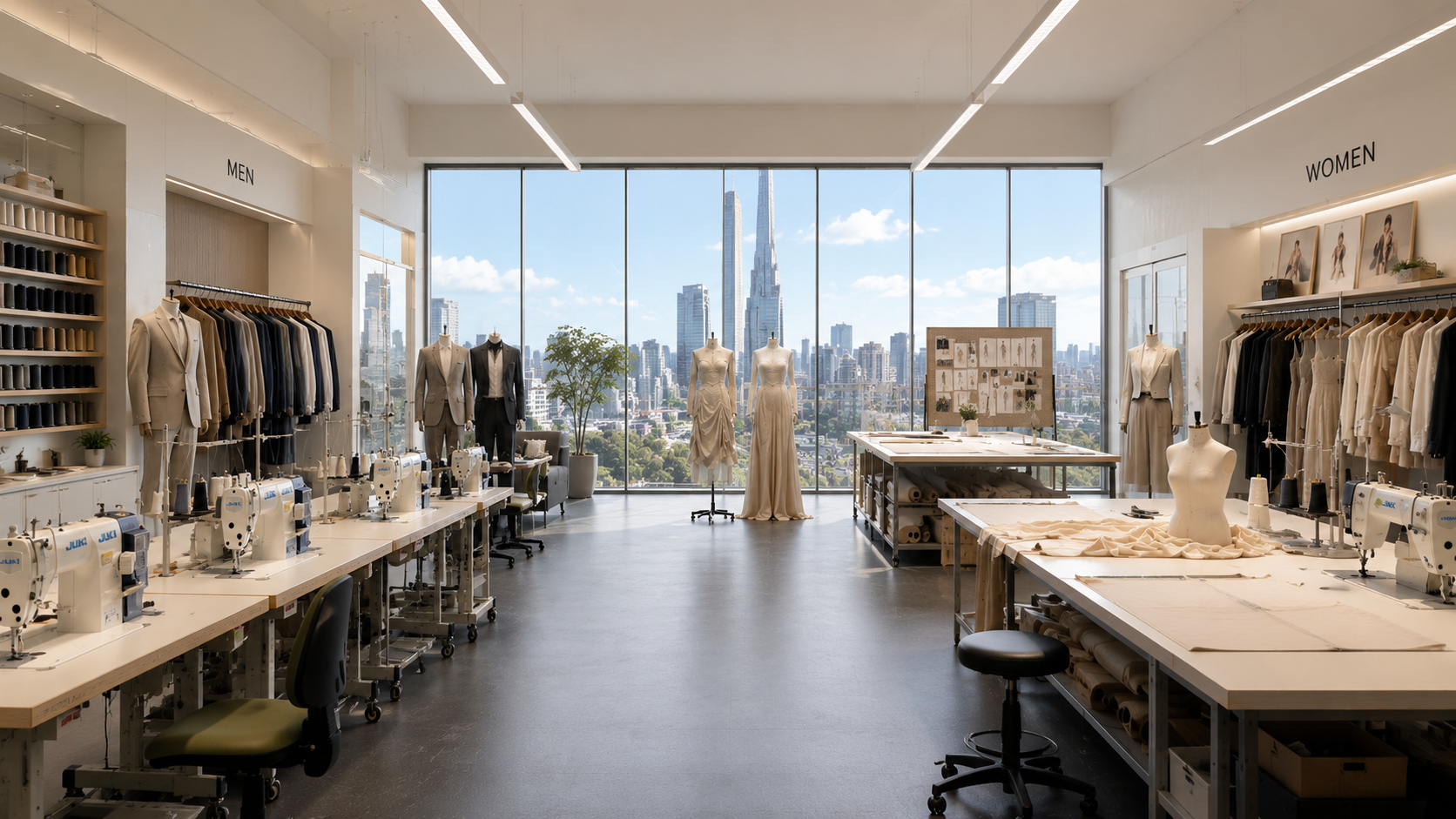
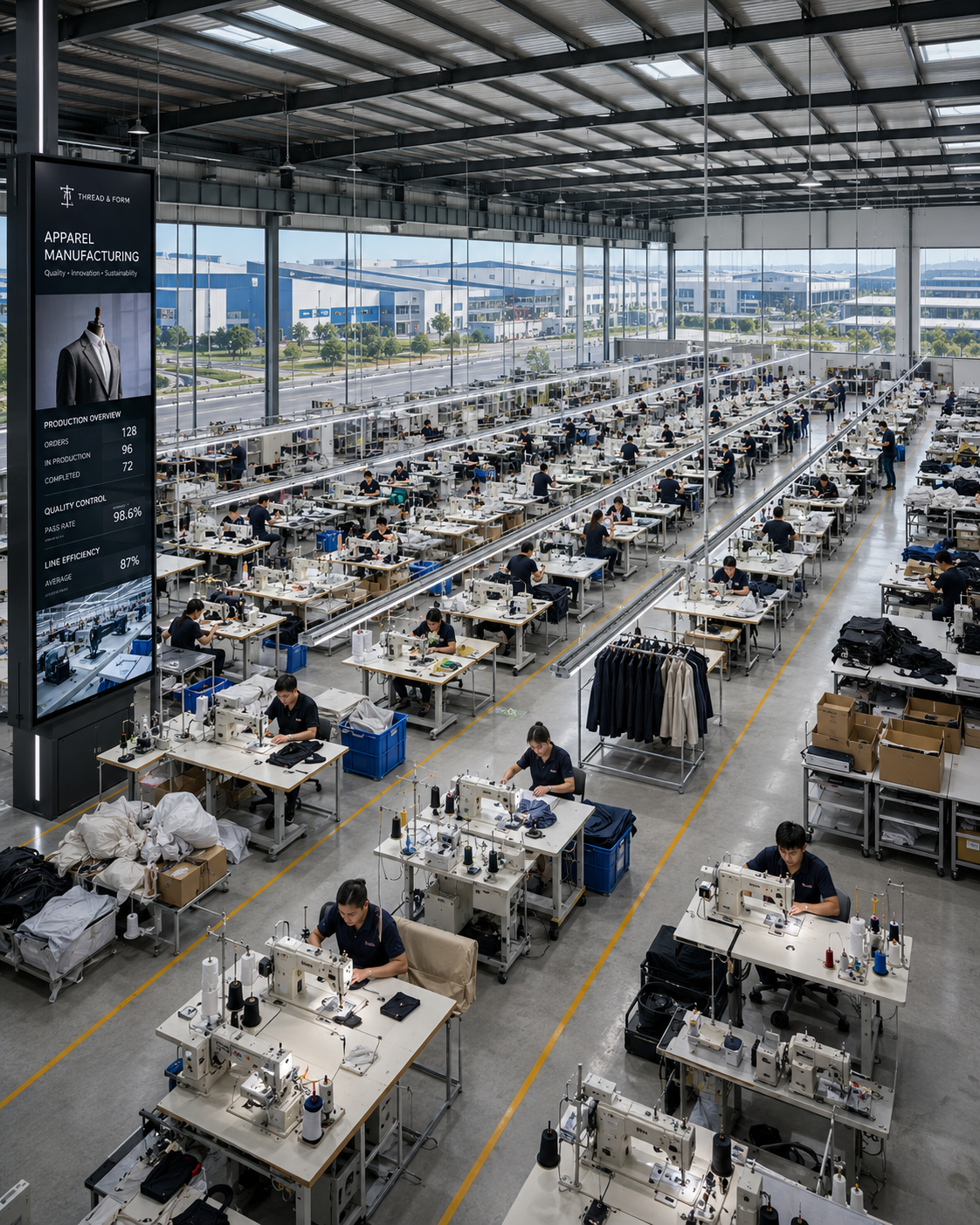
OEM Fashion Manufacturing
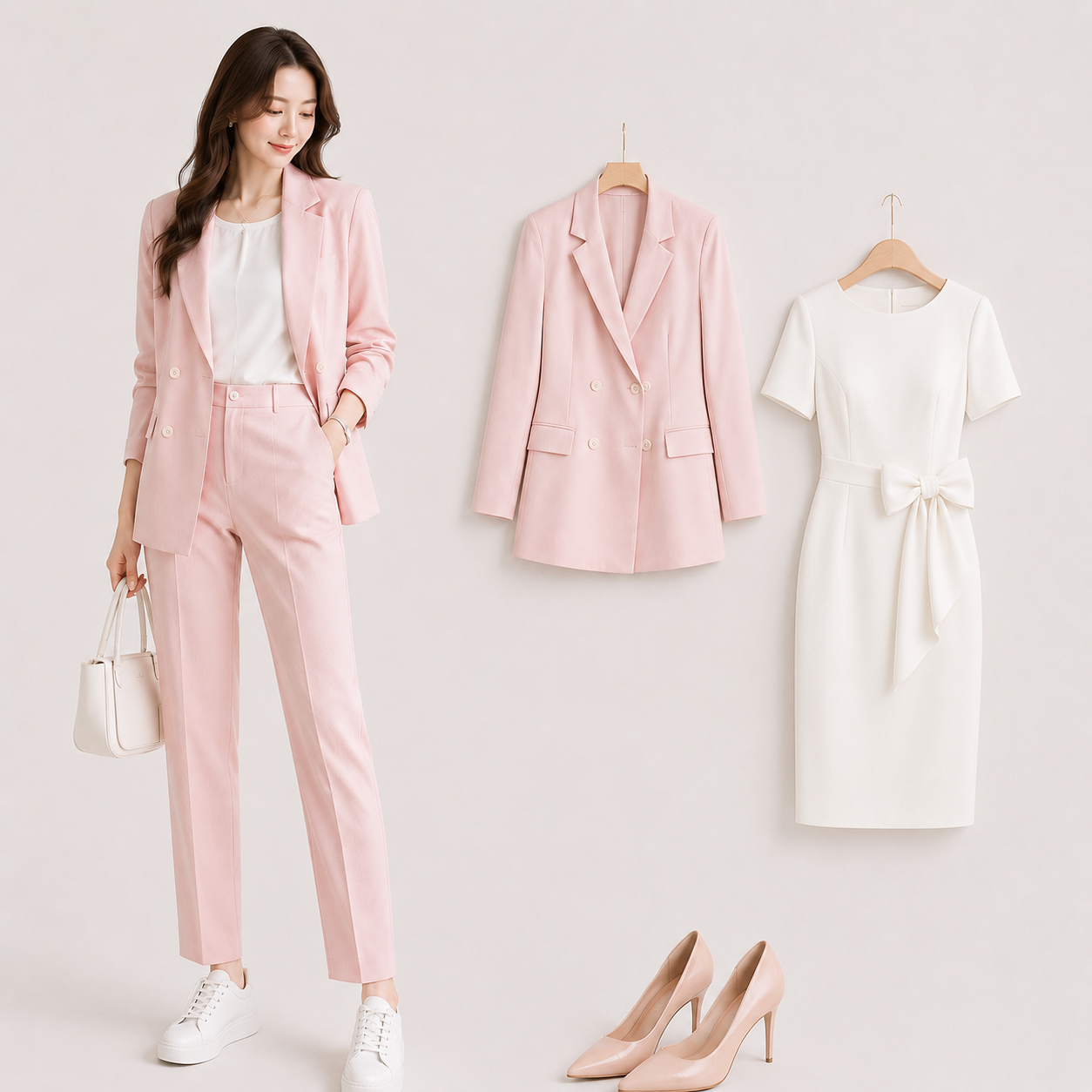
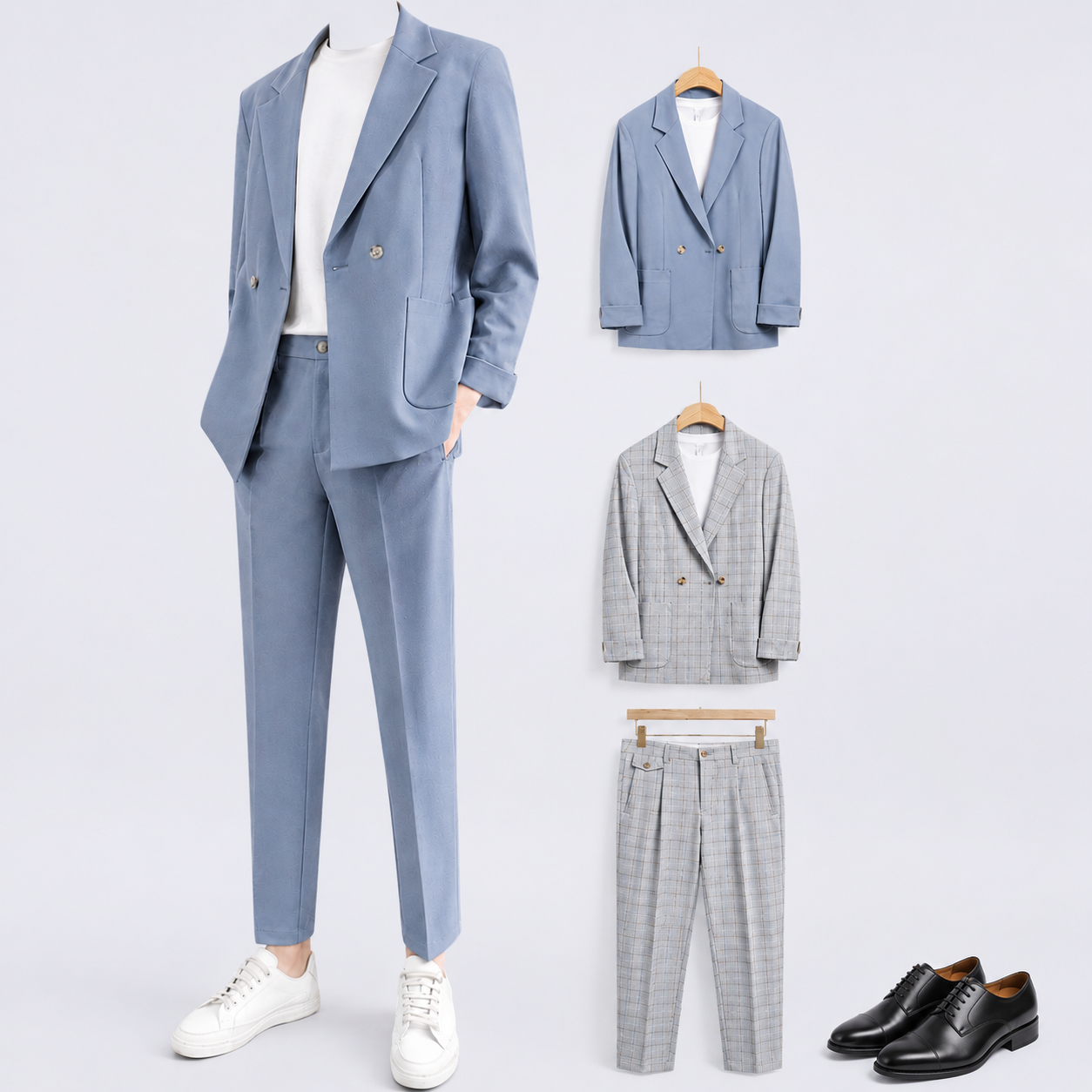
GLOBAL FASHION SUPPLY CHAIN
The Role of Fashion OEM in the Logistics Supply Chain
The Fashion Industry (Garment & Footwear), especially under the OEM (Original Equipment Manufacturer) model, plays a critical role and represents a massive share within Viet Nam’s logistics industry structure
Below is a detailed overview of its importance:
1. Contribution to Export Turnover
Garment and footwear products consistently rank among Viet Nam’s top three export industries
Share: These two sectors typically account for approximately 20%–25% of Viet Nam’s total export turnover
Impact on Logistics: Since most fashion products in Viet Nam are manufactured under OEM models for global brands, the demand for logistics services — including ocean freight, air freight, warehousing, and supply chain management — is extremely significant to support international distribution networks
2. Strategic Locations of Industrial Parks
OEM garment and footwear manufacturers are commonly concentrated in industrial parks with strong logistics connectivity:
– Cat Lai 2 Industrial Park (Ho Chi Minh City): An ideal location for fashion logistics businesses due to its direct proximity to Viet Nam’s largest container port
– Satellite Industrial Zones: Industrial parks in Nhon Trach, Phu My, and Long An host numerous large-scale OEM factories, creating continuous domestic transportation demand between factories and export seaports
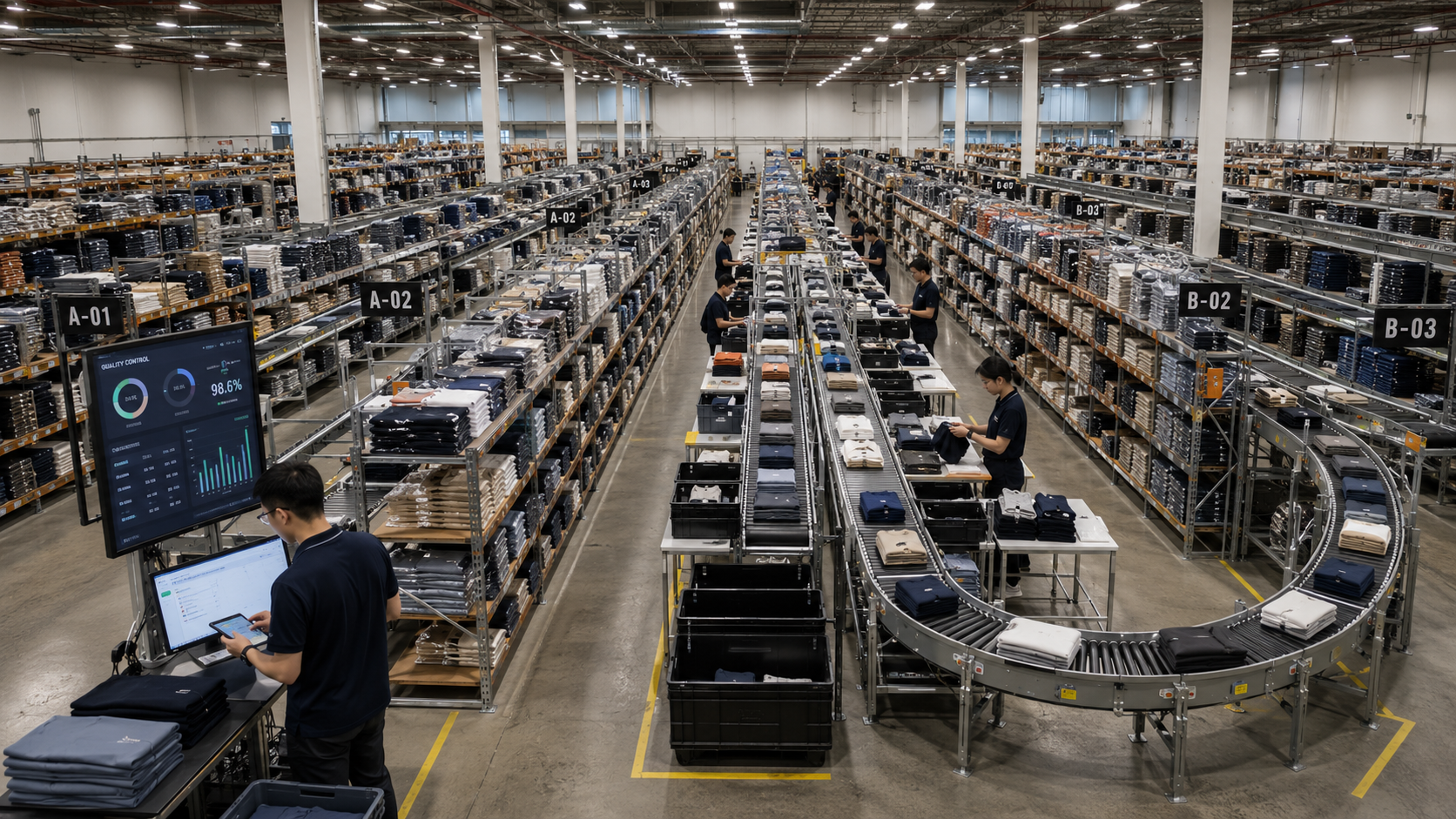 3. Specialized Logistics Requirements of Fashion OEM
This industry not only contributes high cargo volumes but also requires specialized logistics solutions:
– Multimodal Transportation: Combining road transportation from factories with sea freight through Cai Mep – Thi Vai Port or air freight for urgent shipments
– Value-Added Services: Including warehousing, packaging, quality inspection, and customs clearance within logistics hubs
– Global Agent Networks: Leading logistics providers such as Gemadept and Kerry Apex play essential roles in offering destination agent services that connect Vietnamese OEM products to global markets
4. 2026 Trends: Green Logistics & Digital Transformation
To maintain competitiveness and market share, the logistics sector supporting fashion OEM manufacturing is rapidly evolving:
Green Logistics: Global fashion brands increasingly require sustainable supply chains with reduced carbon emissions
Digitalization: The adoption of AI and big data helps optimize transportation routes, reduce operational costs, and accelerate delivery speed to international markets
Conclusion
Within the “Made in Viet Nam” ecosystem, the garment and footwear OEM sector is considered the largest customer base of Viet Nam’s logistics industry. Optimizing end-to-end supply chain operations — from factories to international seaports — is becoming a key factor in enhancing the global competitiveness of Vietnamese-made products
Need Product Consultation?
Contact Amana Workplace for free consultation
Contact Us Now